
Physical resilience is the ability to adapt, recover, and remain strong despite the demands of daily life. While many people associate resilience with intense workouts or strict diets, the reality is that it is built through small, consistent habits practiced every day. Healthy choices improve strength, energy, and overall well being while reducing the risk of illness and injury. By focusing on sustainable routines rather than quick fixes, anyone can create a healthier and more resilient body.
Nourishing the Body With Balanced Nutrition
The food people consume serves as the foundation for physical health. A balanced diet that includes fruits, vegetables, whole grains, lean proteins, and healthy fats provides the nutrients needed for muscle repair, immune function, and sustained energy. Drinking enough water is equally important because hydration supports digestion, circulation, and temperature regulation.
Rather than following restrictive eating plans, choosing nutritious meals consistently allows the body to perform at its best. Preparing meals in advance and limiting heavily processed foods are practical ways to maintain healthier eating habits over time.
Staying Active Every Day
Physical activity strengthens muscles, improves cardiovascular health, and enhances flexibility. Regular movement does not always require spending hours at a gym. Walking, cycling, stretching, gardening, or participating in recreational sports all contribute to building resilience.
The key is consistency. Even thirty minutes of moderate activity most days of the week helps improve endurance and supports long term health. Gradually increasing activity levels also reduces the likelihood of injuries while building confidence in physical abilities.
Prioritizing Rest and Recovery
Many people underestimate the importance of recovery when working toward better health. During sleep, the body repairs tissues, restores energy, and strengthens the immune system. Adults who consistently get enough quality sleep often experience better concentration, improved mood, and greater physical performance.
Recovery also includes taking breaks after demanding activities and allowing muscles sufficient time to heal. Balancing activity with proper rest prevents burnout and encourages sustainable progress.
Managing Daily Stress Effectively
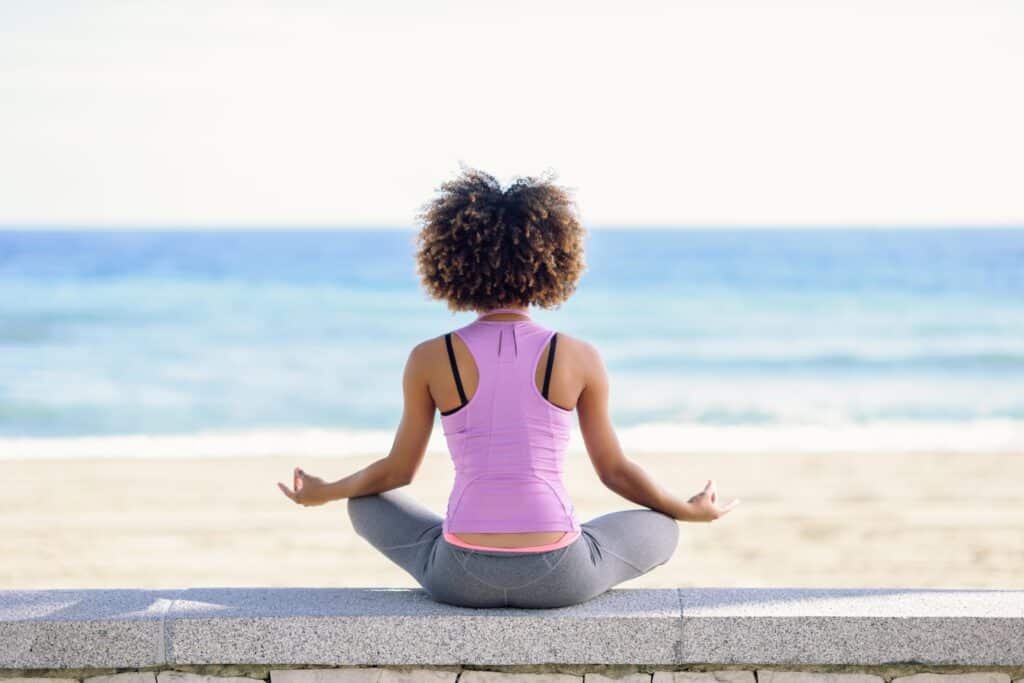
Stress affects both mental and physical health. Chronic stress can weaken the immune system, increase muscle tension, and reduce overall energy levels. Learning to manage stress through breathing exercises, meditation, hobbies, or spending time outdoors contributes significantly to physical resilience.
People who maintain healthy coping strategies often recover more quickly from setbacks because their bodies experience fewer harmful effects from prolonged stress.
Learning From Healthy Lifestyle Communities
Many individuals stay motivated by following trusted health resources and community platforms. Some readers also explore topics beyond wellness, including finance news Australia, recognizing that financial stability can reduce stress and indirectly support healthier lifestyles. Building resilience often benefits from understanding every aspect of personal well being.
Building Healthy Habits Through Community Support
Positive environments encourage healthy choices. Exercising with friends, joining walking groups, or participating in community wellness events helps people remain accountable. Online resources and educational platforms listed in a business directory australia may also connect individuals with fitness centers, nutrition professionals, and wellness services that support long term health goals.
Supportive communities make healthy routines more enjoyable and increase the likelihood of maintaining them over time.
Staying Informed Without Feeling Overwhelmed
Modern lifestyles expose people to a constant flow of information. Reading updates from melbourne news may provide useful community information, but maintaining physical resilience also requires limiting unnecessary stress from excessive media consumption. Setting boundaries around screen time allows more opportunities for exercise, meal preparation, and quality sleep.
Finding a healthy balance between staying informed and protecting mental well being contributes to stronger overall health.
Creating Daily Routines That Last
Healthy routines become easier when they fit naturally into everyday life. Waking up at a consistent time, scheduling meals, taking short movement breaks during work, and planning evening relaxation all contribute to better physical resilience.
Many people gain inspiration from a sydney lifestyle blog that shares practical ideas for balancing work, family, fitness, and recreation. The most successful routines are realistic, flexible, and designed to support long term consistency rather than perfection.
Embracing Lifelong Wellness
Health is not a destination but an ongoing journey. Every positive decision, no matter how small, contributes to stronger physical resilience over time. Reading educational resources such as an australian lifestyle blog can introduce fresh ideas that encourage healthier habits while adapting them to individual needs and preferences.
People who embrace lifelong learning about nutrition, movement, sleep, and stress management continue developing habits that strengthen both body and mind.
Conclusion
Building physical resilience does not depend on dramatic changes or temporary motivation. It grows through consistent healthy choices that become part of everyday life. Eating nutritious foods, staying physically active, getting sufficient rest, managing stress, and surrounding yourself with supportive influences all contribute to long term strength and well being. By focusing on steady progress instead of perfection, anyone can develop the resilience needed to enjoy a healthier, more active, and more fulfilling life.
